

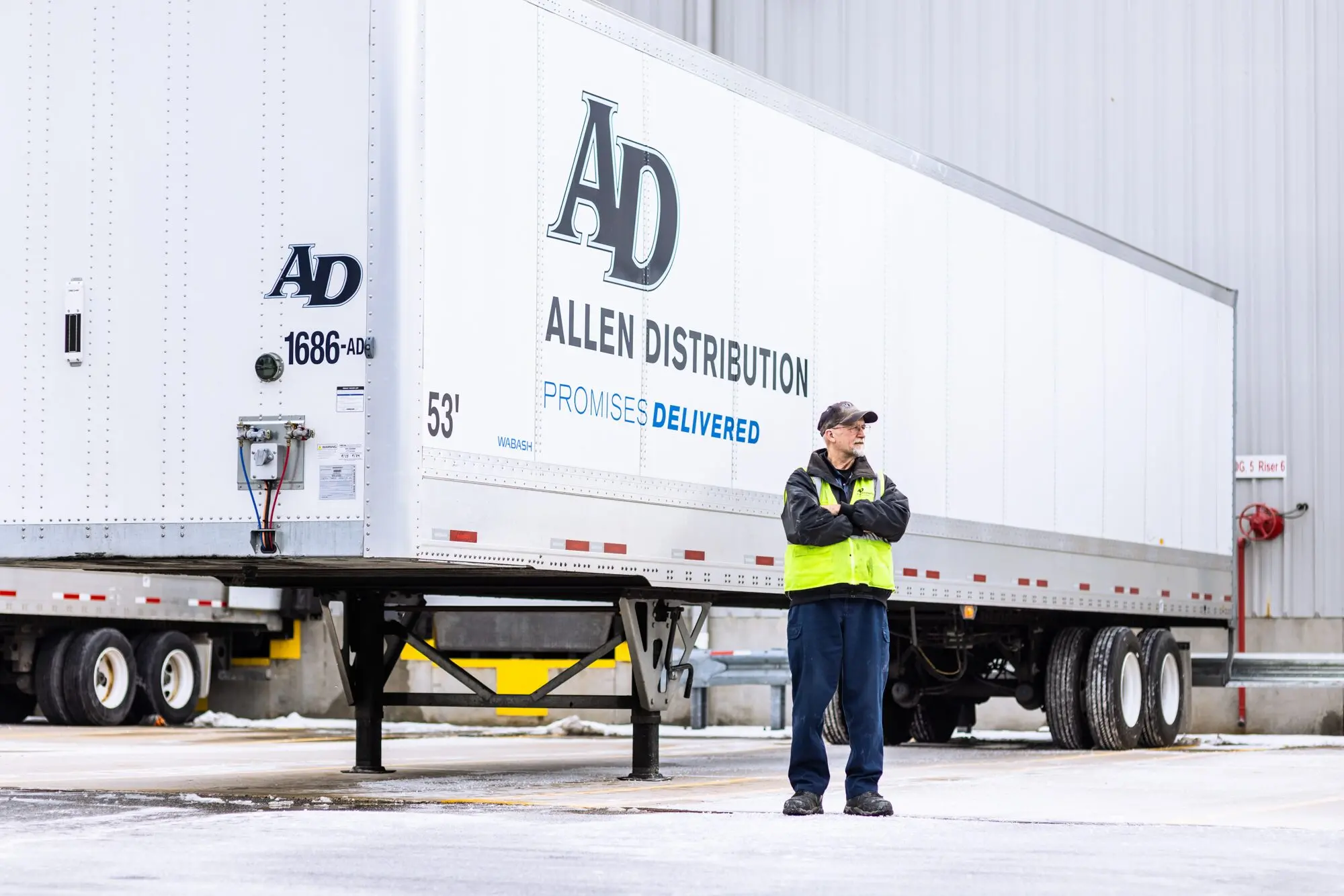

Intermodal freight transport is the transfer of goods using two or more modes of transportation, such as truck, rail or ship. Your cargo moves within the same container the entire time, reducing handling, improving efficiency and lowering costs. Here is what that process looks like:
A truck picks up the cargo, which is sealed in a container.
After initial pickup, the container is transferred to a ship or rail terminal.
The container travels most of the distance by rail or ship.
The container is loaded onto another truck before reaching its final destination.
Because the container remains sealed from origin to destination, your products experience minimal handling, protecting them from damage. This method offers a practical solution for businesses shipping across long distances.
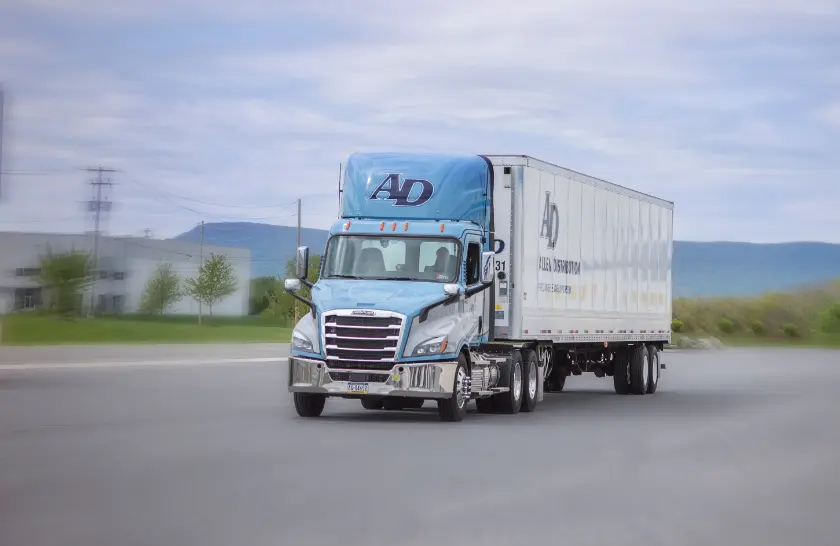
When you operate in the food and beverage space, customers depend on you for timely deliveries. Distributing and transporting perishable goods comes with unique challenges, so you need a reliable intermodal transportation partner to oversee your operations.
Allen Distribution is here to serve those needs. Our team values our professional relationships and has the skills and expertise to overcome obstacles in delivering exemplary intermodal trucking services for your business.
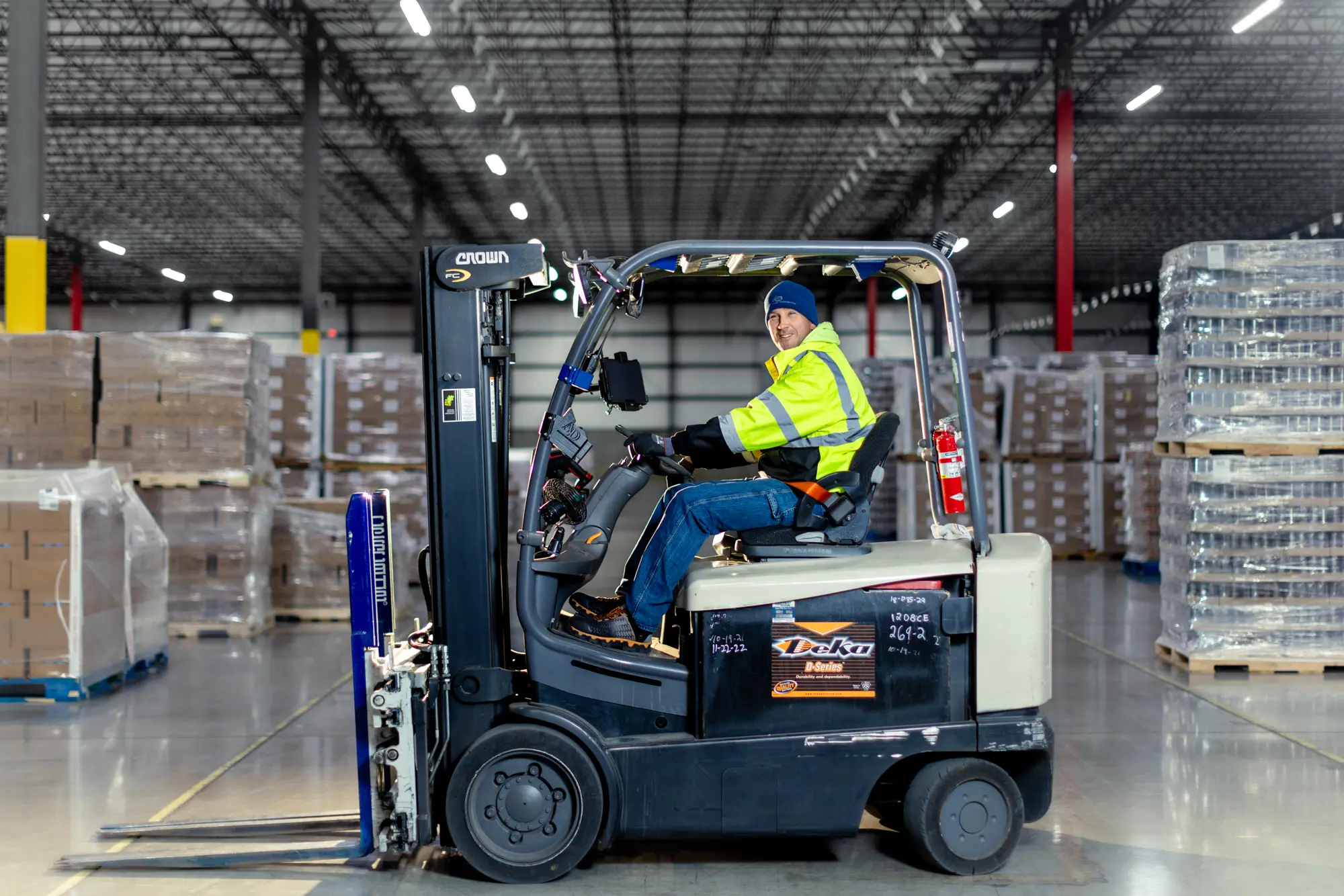
Allen Distribution works with global food and beverage companies. Getting your original products from point A to point B often requires traveling by truck or railcar — we provide you with the resources to ship goods efficiently. All you need to do is speak with one of our representatives about the types of products you need to relocate, the temperature at which items should be stored and how many units will be included in a delivery.
Although we specialize in food and beverage items, we have the knowledge, experience and skills to work in all industries. Depend on Allen for intermodal trucking and rail transport services to move freight thousands of miles. Whether you want us to ship directly to customers, across state borders or to ports, no one looks out for your assets like we do.
Intermodal transportation services allow you to deliver goods nationwide. Thanks to our refrigerated trucks and containers, we can get consumables to their destinations in optimal condition.
Work with our professionals to realize these advantages:

Allen Distribution is an all-in-one source for supply chain solutions. We assist you with distribution, fulfillment, transportation and custom packaging services to eliminate obstacles when bringing products to market.
We create unparalleled value via a strategically positioned national supply chain network and personalized service. Choosing us to oversee your shipping plans means working with experts who are consistent, detail-oriented and prepared for the job.
The Allen Distribution team has locations throughout the United States, so find the facility closest to you for assistance.
Here are answers to the most commonly asked questions about intermodal freight transport.
Intermodal freight uses multiple modes of transportation to move cargo without any handling when changing modes. Your shipment might start on a truck that delivers the container to a rail terminal. The container then travels hundreds or thousands of miles by rail before another truck picks it up for final delivery.
Businesses face significant obstacles when moving products over long distances. These challenges drive the demand for intermodal solutions:
High shipping costs: Trucking becomes increasingly expensive as mileage adds up, especially when capacity tightens or fuel prices rise.
Inefficient long-haul transportation: Relying on a single mode limits your options and can create bottlenecks during peak seasons.
Lack of scalable shipping options: As your business grows, you need transportation solutions that can expand with your volume and stay within your budget.
Carbon footprint concerns: Companies looking to reduce environmental impact need alternatives to diesel-powered trucks for long-distance moves.
Complex transport management: When managing multiple transport modes, coordinating between different carriers demands time and effort away from core operations.
Rail handles the long-haul journey where fuel efficiency matters most, while trucks provide door-to-door accessibility. This combination reduces carbon emissions and fuel costs without sacrificing service quality.
The difference between intermodal and multimodal transport is the level of cargo handling. Intermodal transport moves cargo in the same sealed container across multiple transportation modes without unpacking. Multimodal transport also uses multiple modes, but cargo may be handled between different container types.
Advantages of intermodal transport include cost savings, greater efficiency, scalability, lower environmental impact, shorter transit time, better reliability and improved security. Potential disadvantages include longer transit times and limited rural availability. Allen Distribution minimizes these challenges through decades of logistics expertise.
We are a privately owned and operated logistics company headquartered in Carlisle, Pennsylvania. With over 35 years of experience, Allen is your clear choice for intermodal freight transport services.